
An Ancient Legacy: The Jewish History of Girona
The history of Girona’s Jewish community has been documented for over a thousand years and represents one of the most significant chapters of Sephardic heritage. The preservation of its Jewish quarter, the Call, and the intellectual legacy of its scholars are fundamental parts of the city’s historical identity.
Establishment and Growth (9th – 12th Century)
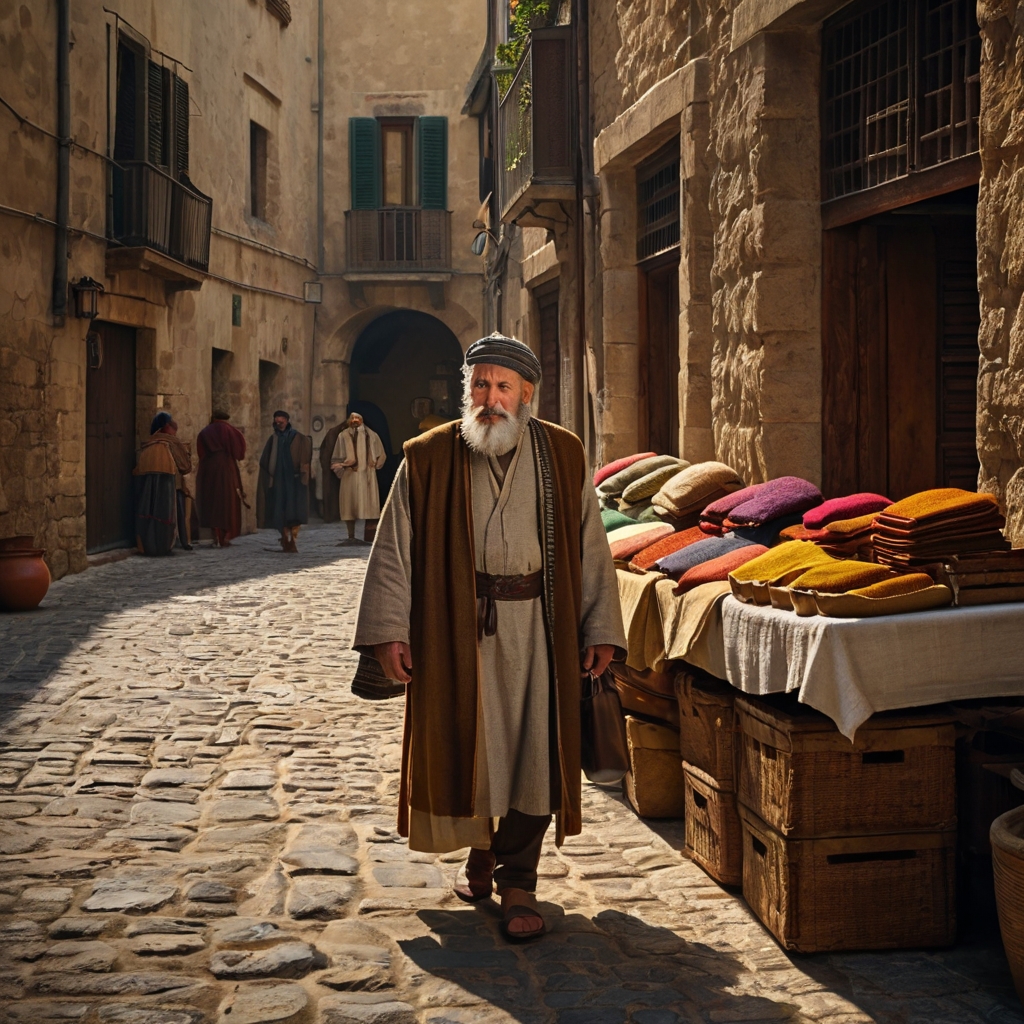
The first documented evidence of a stable Jewish community in Girona dates back to the year 890. In the centuries that followed, the community grew and became a notable influence on the city’s social and economic fabric. Its members stood out in fields such as medicine, trade, finance, and philosophy. They also established the institutions essential for religious and communal life, including synagogues, ritual baths (mikveh), and a cemetery on Montjuïc hill.
The Golden Age – The Century of Ramban (13th Century)
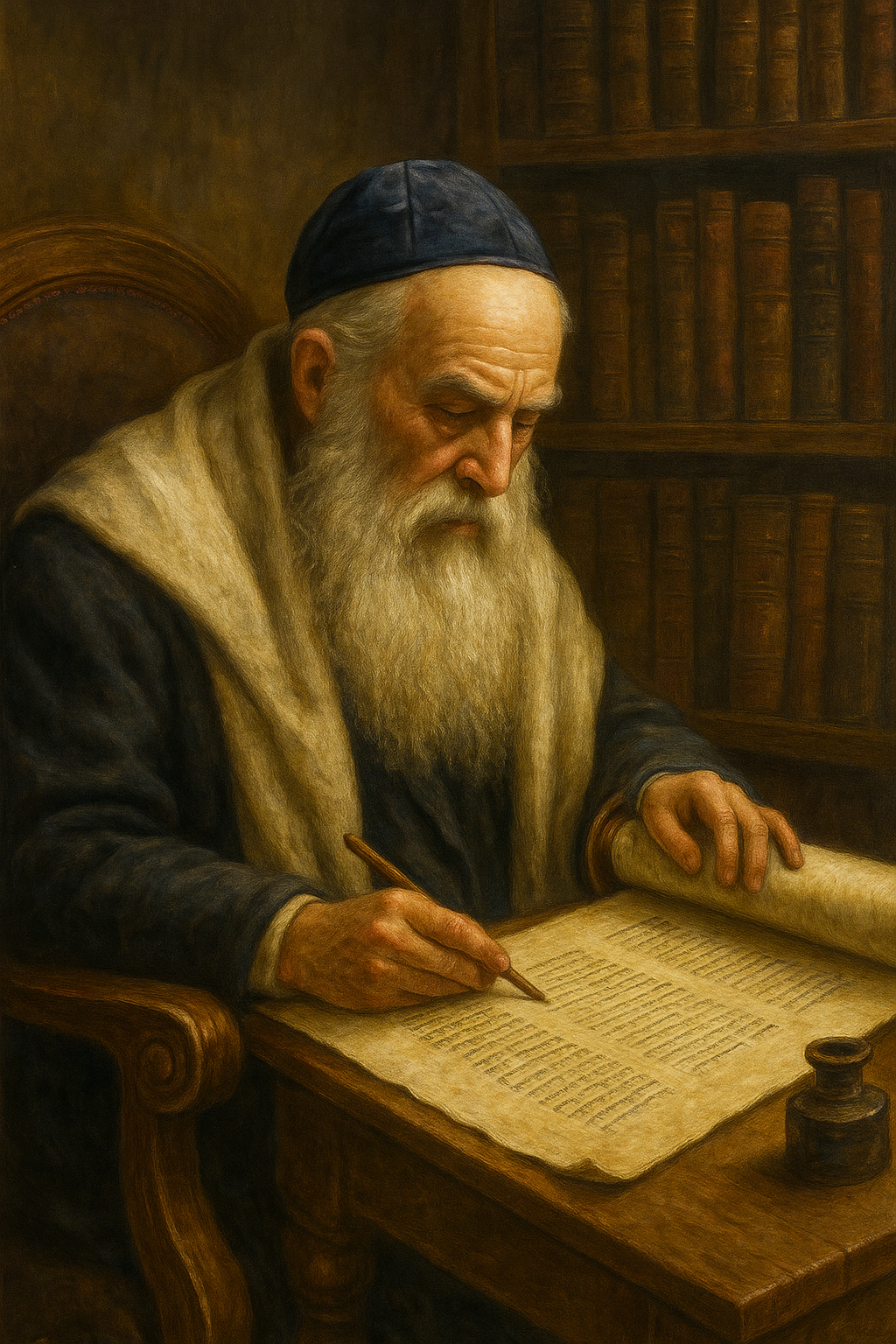
The 13th century marks the height of intellectual flourishing for Girona’s Jewish community. The city became a beacon of Jewish thought, developing a highly influential school of Talmudic study and, most notably, emerging as one of the most important centers in the world for the growth and study of Kabbalah.
The undisputed central figure of this era is Rabbi Moses ben Nahman, known as Ramban or Nachmanides (1194–1270). Born and educated in Girona, Ramban was one of the most influential personalities in medieval Judaism. A physician, philosopher, biblical commentator, and community leader, his work and thought transcended the city’s borders. His commentaries on the Torah and Talmud are still studied today, and his intellectual legacy remains a cornerstone of Jewish scholarship.
Alongside this towering figure, the Girona school was also home to other distinguished sages. Thinkers such as the moralist Rabbeinu Yonah Gerondi, Ramban’s cousin, and the commentator Rabbi Zerachiah HaLevi are testament to its prestige. The legacy of this school endured over time, influencing major Talmudic scholars of the 14th century like Rabbeinu Nissim Gerondi, also a native of Girona. Together, these names cemented Girona’s status as a vital center of Jewish learning.
Decline and Expulsion (14th – 15th Century)
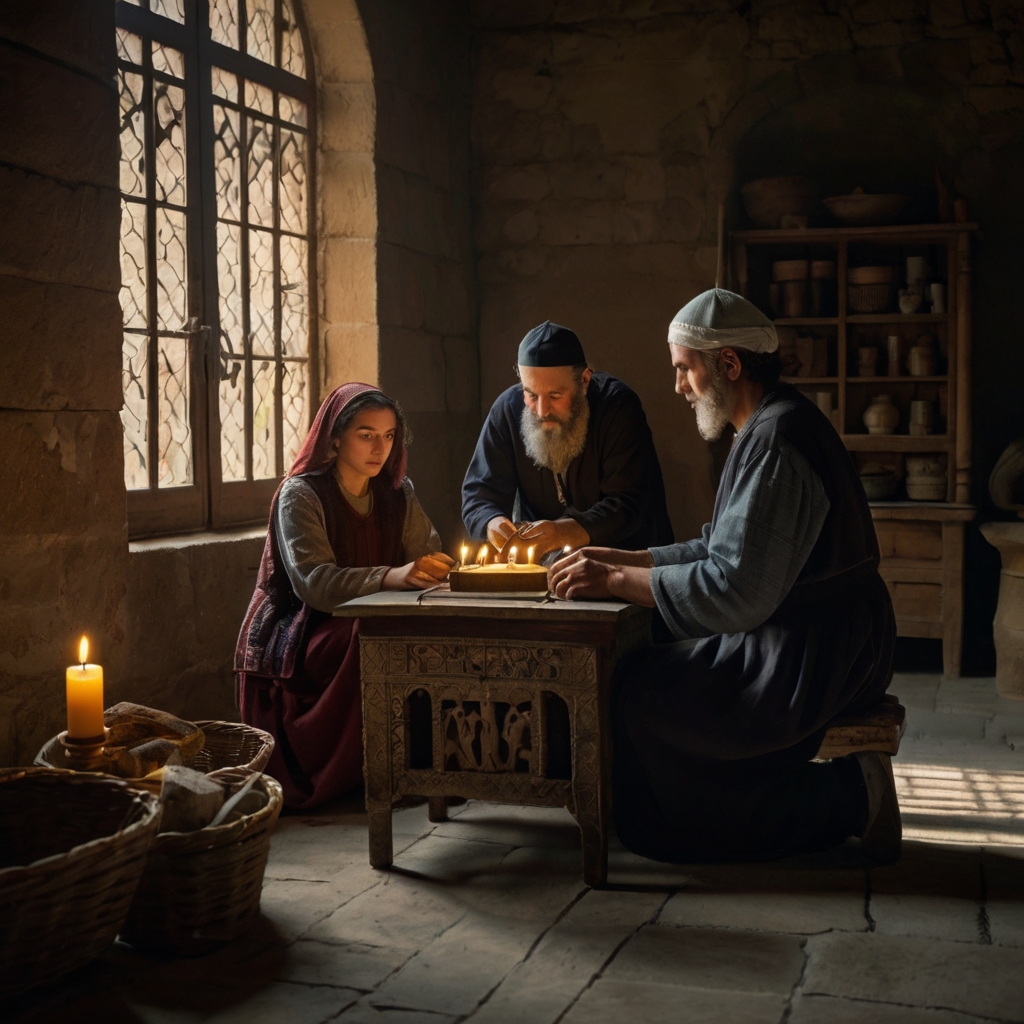
The climate of coexistence began to deteriorate throughout the 14th century. The Black Death (1348) acted as a catalyst for rising hostility. A major turning point came with the anti-Jewish riots of 1391, which severely impacted Girona’s community—resulting in murders, forced conversions, and widespread destruction of property.
Despite managing to survive under increasingly difficult conditions throughout the 15th century, the pressure culminated in the Edict of Granada in 1492. The Catholic Monarchs ordered the expulsion of Jews from all their kingdoms, forcing Girona’s Jewish families to choose between exile or conversion. July 31, 1492 marked the end of over 600 years of documented Jewish presence in the city.
The Rebirth of the Modern Community (21st Century)
After more than five centuries without organized Jewish communal life, interest in Girona’s Jewish heritage reawakened in the late 20th century. This renewed attention culminated in the reestablishment of an active community in the 21st century.
The key milestone occurred in 2017, when, on the initiative of Rabbi David MM. Liebersohn, director of Chabad Lubavitch Barcelona, and with the generosity of Shimon Aminov, the Jewish Center of Girona was officially established, occupying a space in the historic building of “La Canonja.”
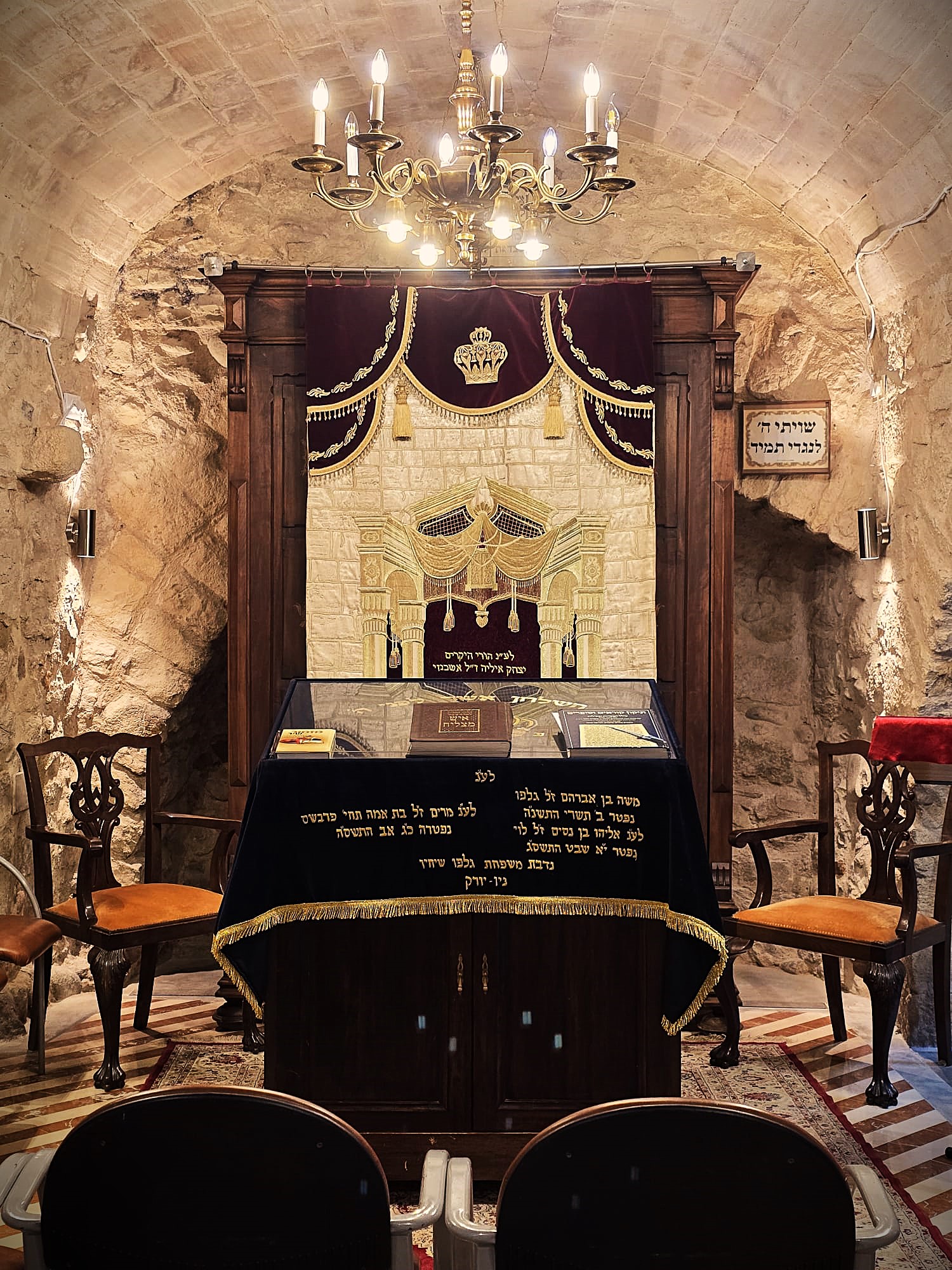
In August 2024, the community took a highly symbolic step by moving its headquarters to the “Patio del Rabí.” According to historical tradition, this space was the residence and yeshiva of the Kabbalist Isaac the Blind (c. 1160-1235), thus consolidating the connection between the present and the medieval past.
Today, the Nahmanides Synagogue in Girona is the only one still in use within a medieval Jewish quarter on the Iberian Peninsula. The Orthodox community, under the supervision of Rabbi Liebersohn Shelit'a and the presidency of Uriel Benguigui, serves as a meeting place for Jewish residents and visitors from around the world who come to the city to connect with the profound legacy of Sepharad.


Keep Girona’s Flame Burning
The story of this community is a testament to resilience. Today, our mission is to preserve that legacy, keep the doors of the synagogue open, and ensure that Girona’s Jewish voice is never silenced again.
Your generosity is the bridge that connects Ramban’s past with the future of our children. Every donation is an act of remembrance—and a direct investment in what lies ahead. We invite you to help carry this heritage forward with us.